Photo Gallery
Images from our conservation work and community activities
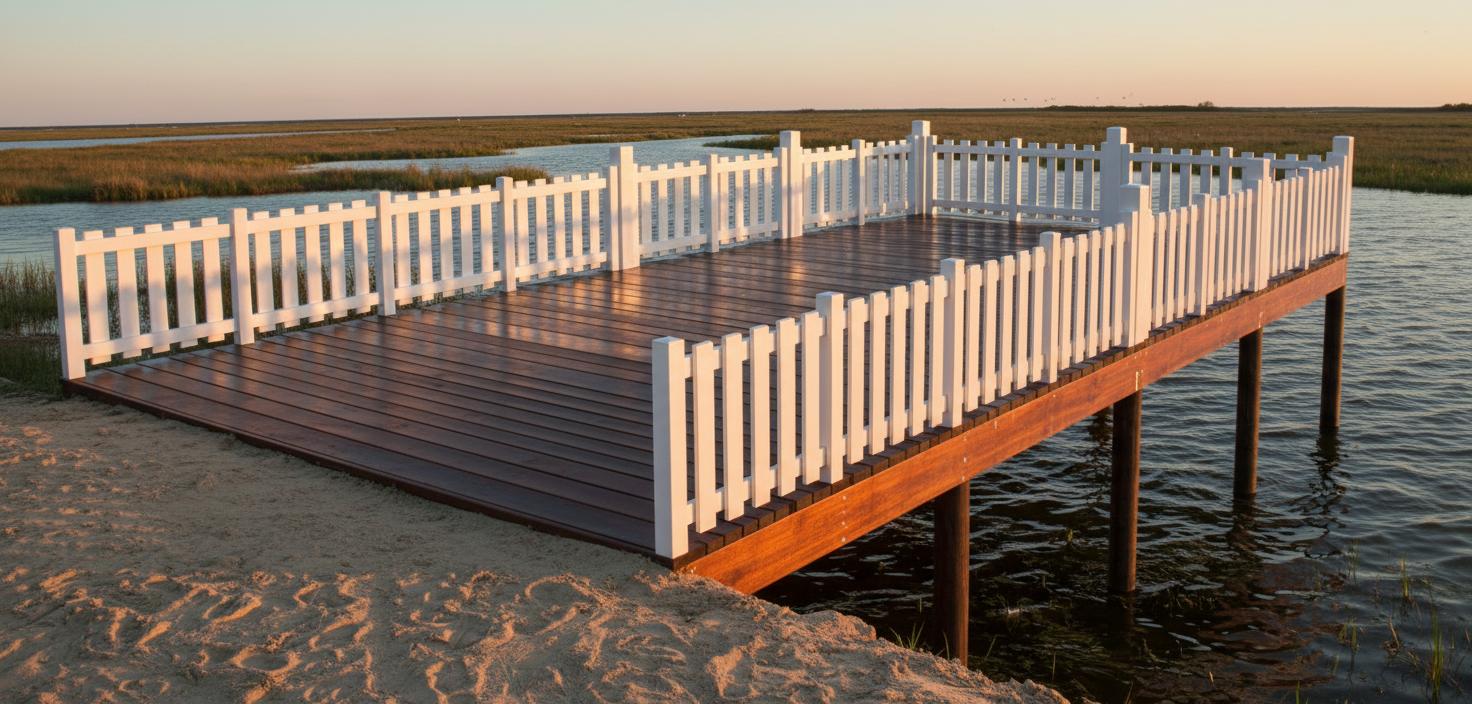
[TEMP] Pollution in Coastal Waters
Marine pollution poses an increasing threat to mangrove ecosystems and the species that depend on them.
[TEMP] Sea Wall Construction
[TEMP] Deforested Mangrove Area
Mangrove deforestation for aquaculture and development continues to threaten coastal ecosystems globally.
[TEMP] Storm Surge Damage
Storm surge impacts are reduced by up to 66% in areas protected by healthy mangrove forests.
[TEMP] Coastal Erosion
Coastal erosion threatens communities where mangroves have been removed, highlighting their protective value.
[TEMP] Eco-Tourism Kayaking
Ecotourism provides sustainable income for coastal communities while raising awareness about mangrove conservation.
[TEMP] Environmental Education
Environmental education programs help young people understand the importance of mangrove conservation.
[TEMP] Traditional Fishing
[TEMP] Mangrove Nursery
Community-managed nurseries produce thousands of mangrove seedlings for restoration projects.
[TEMP] Tree Height Measurement
Tree height and diameter measurements are essential for estimating above-ground biomass and carbon stocks.
[TEMP] Satellite Image Analysis
Satellite remote sensing enables monitoring of mangrove extent and health across large areas.
[TEMP] GPS Field Mapping
[TEMP] Soil Core Sample
Soil cores reveal carbon storage in mangrove sediments accumulated over centuries.
[TEMP] Drone Mapping Survey
Unmanned aerial vehicles provide high-resolution imagery for detailed mangrove mapping and monitoring.
[TEMP] Water Quality Sampling
Regular water quality monitoring helps track ecosystem health and detect pollution impacts.
[TEMP] Oysters on Mangrove Roots
Mangrove oysters filter water and provide additional habitat complexity on prop roots.
[TEMP] Egret Hunting
Great egrets are common predators in mangrove ecosystems, feeding on fish, crabs, and small invertebrates.
[TEMP] Mangrove Monitor Lizard
[TEMP] Mudskipper on Mudflat
Mudskippers are uniquely adapted to the intertidal zone, able to breathe through their skin and move on land.
[TEMP] Kingfisher on Branch
[TEMP] Heron in Mangroves
Herons and other wading birds rely on mangrove habitats for feeding and nesting.
[TEMP] Mangrove Crab
Mangrove crabs are ecosystem engineers that influence nutrient cycling through their burrowing activities.
[TEMP] Pneumatophores at Low Tide
Pneumatophores (breathing roots) of black mangroves emerge from the mud, allowing the trees to obtain oxygen in waterlogged soils.
[TEMP] Coastal Mangrove Stand
Mangroves form a protective green belt along tropical and subtropical coastlines worldwide.